The single most important thing you can do to protect your home’s plumbing before a vacation is to shut off the main water supply. Water damage is one of the most common insurance claims filed by homeowners while they’re away—and nearly all of it is preventable. When the main valve is off, a burst pipe or failed washing machine hose can only release the water already sitting in your pipes. When it’s left on, that same failure dumps thousands of gallons into your home, running continuously until you return.
Picture coming home from a relaxing week away to a flooded basement, warped hardwood floors, and ceilings sagging with water damage. It happens to Bucks County homeowners every year, and it usually traces back to a small failure—a cracked supply line, a stuck toilet valve, a worn washer hose—that had nothing to stop it. A 20-minute plumbing checklist before you leave is the difference between peace of mind and a five-figure repair bill.
This complete vacation plumbing checklist walks you through every step to protect your home, whether you’re leaving for a long weekend or an extended trip. In my 35+ years as a Master Plumber serving Feasterville, Southampton, Warminster, and all of Bucks County, I’ve responded to countless post-vacation floods—and every one of them could have been prevented with the steps below.
What You’ll Learn
- Why Homes Flood While Owners Are Away
- The Complete Vacation Plumbing Checklist
- Extra Steps for Extended Trips
- When You Return: Safe Restart Steps
- Why Bucks County Homeowners Choose Rick Lucas Plumbing
- Frequently Asked Questions
- Next Steps
Why Homes Flood While Owners Are Away
Plumbing failures don’t wait for a convenient time. In fact, the conditions of an empty home make certain failures more likely and far more damaging. Understanding why helps you protect against it.
Here’s what causes vacation plumbing disasters:
- Continuous water flow: When a supply line or hose fails with the water on, there’s nothing to stop the flow. A failed washing machine hose alone can release hundreds of gallons per hour, and with no one home, it runs for days.
- Worn washing machine hoses: Rubber supply hoses on washing machines are one of the most common causes of catastrophic home flooding. They become brittle over time and can burst without warning—often while the home sits empty.
- Failed water heater: An aging water heater tank can develop a leak or rupture. With the water supply on, it continuously refills and leaks, flooding the surrounding area.
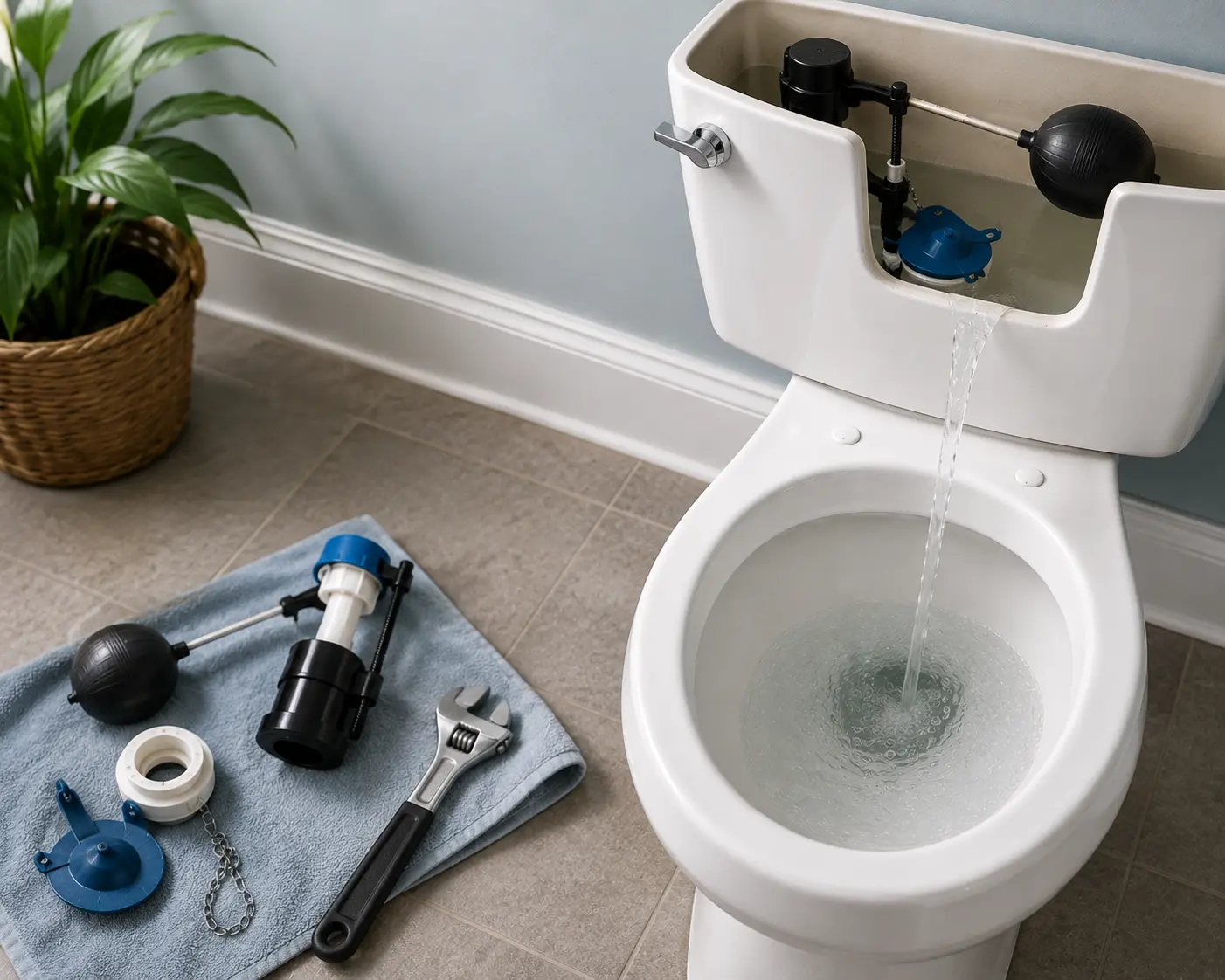
- Running toilets and stuck valves: A toilet valve that sticks open wastes water continuously and, in rare cases, can overflow.
- Power outages and sump pump failure: Spring and summer storms in Bucks County can knock out power, disabling your sump pump. If groundwater rises during a storm while you’re away, your basement floods.
- Frozen pipes (cold-weather trips): If you travel in winter and turn the heat too low, pipes in exterior walls can freeze and burst.
The checklist below addresses every one of these risks. Work through it before every trip and you’ll dramatically reduce the odds of coming home to a plumbing emergency.
The Complete Vacation Plumbing Checklist
Work through these steps in order before you leave. The entire process takes about 20 minutes for most homes.
1. Shut Off the Main Water Supply
This is the most important step on the entire checklist. Locate your main shut-off valve—typically in the basement where the water line enters your home, or near the water meter. Turn it fully clockwise (wheel type) or perpendicular to the pipe (lever type) to close it.
A word of caution: if your main valve is an older gate valve that hasn’t been operated in years, turn it gently. A corroded valve can break or fail to seal completely. If the valve is stuck, leaks when you operate it, or won’t close fully, leave it alone and have a licensed plumber replace it before your trip—ideally test this valve a few days before you leave so there’s time to fix any problems.
Exception: If you have a lawn irrigation system, a pool, or someone watering plants, you may need to leave water on. In that case, shut off water to specific high-risk areas instead—the washing machine, water heater, and any upstairs bathrooms.
2. Drain the Pipes
After shutting off the main valve, open a faucet on the lowest level of your home and one on the highest level. This drains the water remaining in your pipes, so even a failed connection has nothing to release. Let them run until the flow stops, then close them. Flush each toilet once to lower the tank water level.
3. Check Washing Machine Hoses
Washing machine supply hoses are the number-one cause of vacation flooding. Inspect both the hot and cold hoses for bulging, cracking, blistering, or dampness at the connections. If they’re rubber and more than five years old, this is the time to replace them—braided stainless steel hoses are far more durable. At minimum, turn off the shut-off valves behind the washing machine before you leave.
4. Set the Water Heater to Vacation Mode
There’s no reason to pay to keep water hot in an empty house. Most water heaters have a vacation setting:
- Gas water heaters: Turn the temperature dial to “VAC” or “Vacation.” This keeps the pilot light on but reduces heating to save energy.
- Electric water heaters: Turn down the thermostat, or flip the water heater breaker off at the electrical panel for longer trips.
- Tankless water heaters: Turn the unit off at the panel or unplug it.
If you’ve shut off the main water supply, also confirm the water heater won’t run dry—for most tank heaters, the tank stays full even with the supply off, so vacation mode is all you need.
5. Inspect for Existing Leaks
Do a quick walkthrough before you leave. Check under every sink for dampness or drips, look at the base of your toilets and water heater, and scan visible pipes in the basement for moisture or corrosion. A small drip you can live with day-to-day becomes a serious problem when it runs unattended for a week or more. If you find an active leak, address it or call a plumber before your trip.
6. Clean the Garbage Disposal and Run Drains
Food residue left in a garbage disposal produces a foul odor that greets you when you return. Run the disposal with cold water and a bit of dish soap, or grind a few ice cubes and citrus peels to clean it. Then run water briefly in every drain—including guest bathrooms and floor drains—to fill the P-traps. This prevents sewer gas from seeping into your home through dry drain seals while you’re gone.
7. Test Your Sump Pump
If your home has a sump pump, test it before you leave, especially during Bucks County’s storm-prone spring and summer months. Pour a five-gallon bucket of water into the sump pit and confirm the pump activates, clears the water, and shuts off. If you travel frequently, a battery backup sump pump is one of the best investments you can make—it keeps your basement dry even if a storm knocks out power while you’re away.
8. Turn Off Water to Appliances
Beyond the washing machine, shut off the supply valves to your dishwasher and refrigerator ice maker. These small supply lines can fail just like any other connection. Empty and drain the dishwasher, and leave its door slightly ajar to prevent musty odors and mold.
9. Arrange for Someone to Check on Your Home
For any trip longer than a few days, ask a trusted neighbor, friend, or family member to check on your home periodically. Show them where the main shut-off valve is and how to operate it, and leave them the phone number for Rick Lucas Plumbing (215) 396-0736 in case of an emergency. A house sitter who catches a problem early can prevent thousands of dollars in damage.
Extra Steps for Extended Trips
If you’ll be away for several weeks or longer, take these additional precautions:
- Consider a smart leak detector: Wi-Fi leak sensors placed near the water heater, washing machine, and under sinks send an alert to your phone the moment they detect moisture. High-end models can automatically shut off your main water valve remotely—protecting your home even from another continent.
- Install a battery backup sump pump: Essential for extended absences during Bucks County’s wet spring and summer months, when storms and power outages are common.
- Schedule a pre-vacation plumbing inspection: For long trips, a professional inspection catches aging valves, worn supply lines, water heater issues, and other risks before they can fail while you’re away.
- Winter trips—protect against freezing: Never turn the heat completely off. Keep the thermostat at 55–60°F to prevent pipes in exterior walls from freezing. Open cabinet doors under sinks on exterior walls to let warm air circulate around the pipes.
- Check your insurance policy: Some homeowner’s insurance policies require you to shut off the water supply before extended absences, or they may reduce or deny water damage coverage. Confirm your policy’s requirements before you go.
When You Return: Safe Restart Steps
Restarting your plumbing correctly is just as important as shutting it down. Follow these steps when you get home:
- Reopen the main valve slowly: Turning the water back on too quickly creates a pressure surge that can stress pipes and fittings. Open the main valve gradually.
- Run cold water first: Start with the cold side of each faucet and let it run for several minutes until it flows clear. Water that sat in the pipes may look cloudy or discolored at first—this is normal and clears quickly.
- Then run hot water: After restoring the water heater to its normal setting, run the hot side of each faucet. Allow a few hours for the water heater to reach full temperature.
- Flush toilets and check fixtures: Flush every toilet and run water through all drains, including outdoor spigots.
- Restore appliance water: Reopen the supply valves to the washing machine, dishwasher, and ice maker.
- Inspect for problems: Check under sinks and around appliances for any puddles or musty odors. If anything looks or smells off, call a plumber before using the system heavily.
Why Bucks County Homeowners Choose Rick Lucas Plumbing
Whether you need a stuck main valve replaced before a trip, a pre-vacation inspection, or emergency service when a house sitter discovers a problem, you need a plumber who responds quickly and knows Bucks County homes.
Rick Lucas Plumbing & Remodeling brings 35+ years of Master Plumber expertise to every service call. Rick is your direct point of contact—no dispatchers, no call centers. When you call (215) 396-0736, you’re reaching the Master Plumber himself. And with 24/7 emergency availability, we’re here if something goes wrong while you’re away and your house sitter needs help fast.
Our customers count on that reliability. One Bucks County homeowner shared: “Rick returned my call in less than an hour.” Another noted: “Showed up early and not a penny over estimate.” When your home is on the line, responsiveness matters.
We serve Feasterville, Southampton, Richboro, Holland, Newtown, Warrington, Langhorne, Levittown, Yardley, Bensalem, Warminster, Ivyland, and all of Bucks County. Free consultations, transparent pricing, and 24/7 emergency availability. PA Master Plumbing License PA144291, BuildZoom Score 91/100.
Frequently Asked Questions
Q: Should I turn off my water when I go on vacation?
Yes. Shutting off the main water supply is the single most effective step to prevent water damage while you’re away. With the water off, a burst pipe or failed hose can only release the water already in your pipes rather than flooding continuously. If you have irrigation, a pool, or someone watering plants, shut off water to high-risk areas instead—the washing machine, water heater, and upstairs bathrooms.
Q: How do I turn off my main water valve?
Locate the main shut-off valve where the water line enters your home, usually in the basement or near the water meter. Turn it fully clockwise (wheel type) or perpendicular to the pipe (lever type). Test it a few days before your trip—turn it off, confirm water stops at a faucet, then turn it back on. If it’s stuck or leaks, have a plumber replace it before you leave.
Q: What is water heater vacation mode?
Vacation mode is a setting on most water heaters that reduces energy use while you’re away. On gas heaters, turn the dial to “VAC” or “Vacation”—this keeps the pilot lit but stops full heating. On electric heaters, lower the thermostat or flip the breaker for longer trips. Tankless units can simply be turned off. This saves energy without the hassle of a full shutdown.
Q: Do I need to drain my pipes before vacation?
For added protection after shutting off the main valve, open a faucet on the lowest and highest levels of your home to drain the remaining water from your pipes. This ensures that even a failed connection has nothing to release. It’s especially important for winter trips, where any water left in exposed pipes could freeze.
Q: How do I prevent sewer smell in my house while I’m away?
Sewer odor while you’re away is caused by P-traps drying out. Before you leave, run water briefly in every drain—including guest bathrooms, basement floor drains, and utility sinks—to fill the traps. For very long trips, the traps may still dry out; a small amount of mineral oil poured into rarely used drains slows evaporation and maintains the seal longer.
Q: Should I turn off my sump pump when I go on vacation?
No—leave your sump pump on and test it before you leave. Bucks County storms can raise groundwater levels and cause basement flooding at any time. Pour a bucket of water into the pit to confirm the pump works. For frequent travelers, a battery backup sump pump protects your basement even if a storm knocks out power while you’re away.
Q: How long can I leave my water off while on vacation?
You can leave your water off indefinitely for the duration of any trip. There’s no downside to keeping the main valve closed while the home is empty. When you return, reopen the valve slowly to avoid a pressure surge, then run cold water first until it flows clear, followed by hot water once the water heater is back to normal temperature.
Q: Does homeowner’s insurance cover water damage while I’m on vacation?
It depends on your policy. Some homeowner’s insurance policies require you to shut off the water supply before extended absences and may reduce or deny water damage claims if you didn’t. Others require the heat to be kept on during winter trips to prevent frozen pipes. Review your specific policy and consult your insurance provider before extended travel.
Next Steps
Twenty minutes of preparation before your trip can save you from a devastating homecoming. Here’s your action plan:
- Work through the complete checklist above before every trip—start with shutting off the main water supply
- Test your main shut-off valve a few days early so there’s time to replace it if it’s stuck or leaking
- Inspect and replace aging washing machine hoses—the number-one cause of vacation flooding
- Test your sump pump and consider a battery backup for storm-season trips
- For a stuck valve, aging water heater, or pre-vacation peace of mind, call Rick Lucas Plumbing at (215) 396-0736
Leaving town soon? Don’t leave your home unprotected. Contact Rick Lucas Plumbing & Remodeling today at (215) 396-0736 or visit ricklucasplumbing.com to schedule a pre-vacation plumbing check or replace a questionable shut-off valve before you go. We serve Feasterville, Southampton, Warminster, Langhorne, and all of Bucks County with 24/7 emergency availability. “The Best Plumber in Bucks County!”
About the Author
Rick Lucas is the owner and Master Plumber at Rick Lucas Plumbing & Remodeling, a family-owned plumbing company serving Feasterville and all of Bucks County, PA. With over 35 years of hands-on plumbing experience and a Pennsylvania Master Plumbing License (PA144291), Rick specializes in residential plumbing, commercial plumbing, leak detection, water heater services, sump pump services, bathroom remodeling, and emergency repairs. Rick is the main point of contact for every customer, ensuring expert service from diagnosis to completion.