If your water heater runs fine for your family all year but you worry about a houseful of holiday guests, the number that decides whether you run out of hot water is not your tank size, it is your First Hour Rating. That is how many gallons of hot water your tank can deliver in one busy hour starting from a full, hot tank. When six people try to shower back to back on Thanksgiving morning, you are not draining a 50-gallon tank once, you are asking it to refill and reheat faster than it can keep up. That is why the hot water runs cold halfway through the fourth shower even though the heater is working perfectly.
The good news is that a water heater that struggles under holiday demand is usually fixable without a full replacement. A professional flush to clear sediment, a small temperature adjustment, and some smart scheduling can stretch your existing tank’s capacity enough to get a crowd through the morning. And if your heater truly is undersized or near the end of its life, the weeks before the holidays are the right time to find out, not Thanksgiving morning with a full house. Our water heater repair and installation team handles all of it.
This guide explains why water heaters run out during the holidays, how to tell if yours is ready, the simple steps that prepare it, and when an upgrade actually makes sense. In our 35+ years keeping Bucks County homes in hot water through Pennsylvania winters, we’ve learned that a little preparation in November saves a lot of cold showers in December. If your kitchen is also about to see heavy use, our Thanksgiving drain survival guide is a good companion read.
What You’ll Learn
- Why Water Heaters Run Out During the Holidays
- First Hour Rating: The Number That Actually Matters
- How to Tell If Your Water Heater Is Ready
- How to Prepare Your Water Heater for Guests
- Smart Scheduling to Stretch Your Hot Water
- When It’s Time to Upgrade
- Why Bucks County Homeowners Choose Rick Lucas Plumbing
- Frequently Asked Questions
- Next Steps
Why Water Heaters Run Out During the Holidays
Running out of hot water with guests in the house almost always comes down to three things stacking up at once:
- Demand spikes: Your household of three or four suddenly becomes eight or ten. Back-to-back showers, extra loads of laundry, and a sink running through holiday dishes all pull hot water faster than any normal day.
- Recovery can’t keep up: Once the stored hot water is used, your heater has to reheat incoming cold water. A standard electric tank can take one to two hours to fully recover. If guests are showering faster than the tank reheats, you run cold no matter how big the tank is.
- Winter makes it worse: This is the part most people miss. In a Bucks County winter, the cold water coming into your heater is much colder than in summer. Your heater has to work harder and longer to bring it up to temperature, which lowers how much usable hot water you actually get. The same tank that handles summer guests can fall short in December.
Add sediment buildup inside an older tank, which takes up space that should hold water, and a heater that was fine all year suddenly can’t keep a crowd in hot showers. The heater isn’t broken. It’s exhausted and outmatched by the demand. We cover this seasonal strain in more detail in our guide on why your water heater works harder in winter.
First Hour Rating: The Number That Actually Matters
Most people size up their water heater by tank gallons: 40, 50, 60. But tank size alone does not tell you whether you’ll run out. The number that does is the First Hour Rating, or FHR.
FHR is how many gallons of hot water your heater can deliver in the first hour of heavy use, starting from a full, hot tank. It combines two things: the stored hot water in the tank plus how fast the unit reheats. That is why a 50-gallon gas heater and a 50-gallon electric heater can perform very differently. The gas unit often reheats faster, so it delivers more hot water per hour even though both tanks hold the same amount.
Here is the part that surprises people: you can’t use all of a tank’s gallons. As hot water leaves the top of the tank, cold water flows in at the bottom and mixes, so the usable amount before the water turns lukewarm is roughly 70% of the rated size. A 50-gallon tank gives you about 35 gallons of genuinely hot water before recovery has to catch up.
To picture your own demand, add up the hot water used in your busiest holiday hour. A single shower runs roughly 10 to 20 gallons of hot water, a dishwasher around 6 to 8, and a hot laundry load 15 to 20. Three morning showers plus the dishwasher can easily top 50 gallons in one hour. If that number is higher than your heater’s First Hour Rating, you will run out, and winter only widens the gap. You can find the FHR printed on the yellow EnergyGuide label on the side of the unit.
How to Tell If Your Water Heater Is Ready
A few weeks before guests arrive, take ten minutes to check these signs. Any one of them is worth addressing before the holiday:
- The age of the unit: Most tank water heaters last 8 to 12 years. Check the serial number label for the manufacture date. A heater past the decade mark is more likely to fail or underperform under heavy demand.
- Rumbling or popping sounds: Noise when the burner fires usually means heavy sediment at the bottom of the tank. Sediment displaces water, reduces capacity, and slows recovery, exactly what you don’t want with guests coming.
- Rusty or discolored hot water: Brown or rusty water on the hot side can mean the tank is corroding inside and may be nearing the end of its life.
- Water pooling or dampness at the base: Any moisture around the bottom of the tank is a warning sign of a leak or failing tank. This needs a professional look before it becomes a flood.
- It already struggles on a normal day: If your family sometimes runs out of hot water now, a houseful of guests will make it far worse. That is a sign the unit is undersized or due for service.
- The temperature setting: Many heaters are set lower than they could be. We’ll cover the safe way to adjust this below.
How to Prepare Your Water Heater for Guests
If your heater is in good shape but you want to get the most out of it, these steps stretch its capacity for a busy holiday:
Flush the Tank to Clear Sediment
This is the single most effective thing you can do. Over time, sediment and mineral buildup settle at the bottom of the tank, taking up space that should hold water and insulating the burner from the water it’s trying to heat. Flushing the tank clears that buildup, restores usable capacity, and improves recovery speed. In Bucks County homes with harder water, sediment builds faster, so an annual flush before the holidays is smart. If you’re not comfortable doing it yourself, it’s a quick, standard service call.
Adjust the Temperature Safely
The recommended setting for most homes is 120°F, which is a good balance of safety and energy savings. Raising the temperature slightly increases how much usable hot water you get, because you mix in more cold at the tap to reach a comfortable shower temperature, stretching each gallon further. If you nudge it up for a busy weekend, do it carefully: water above 120°F raises the risk of scalding, which matters even more with kids or elderly guests in the house. Turn it back to 120°F after the holiday.
Insulate the Tank and Hot Water Pipes
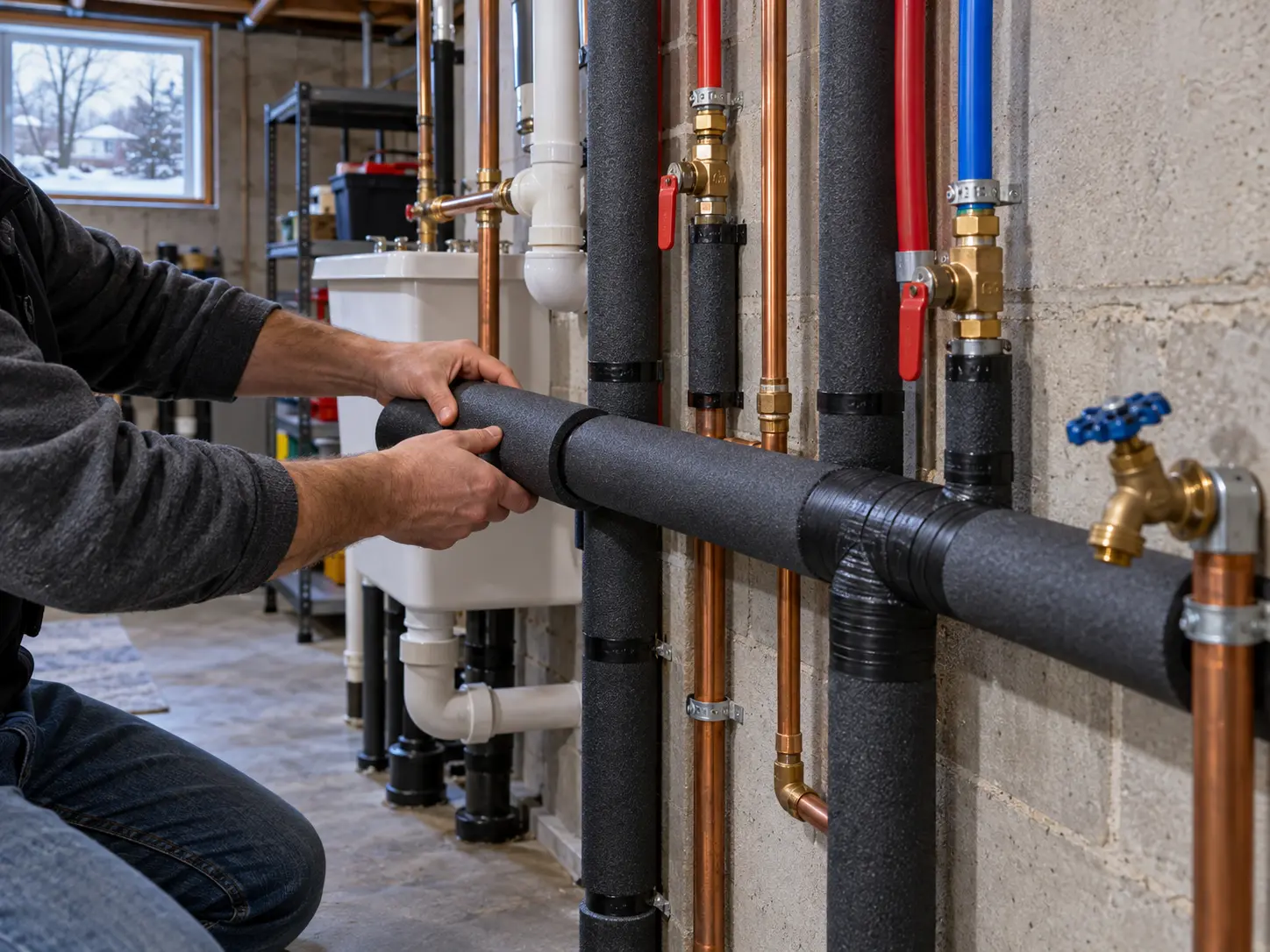
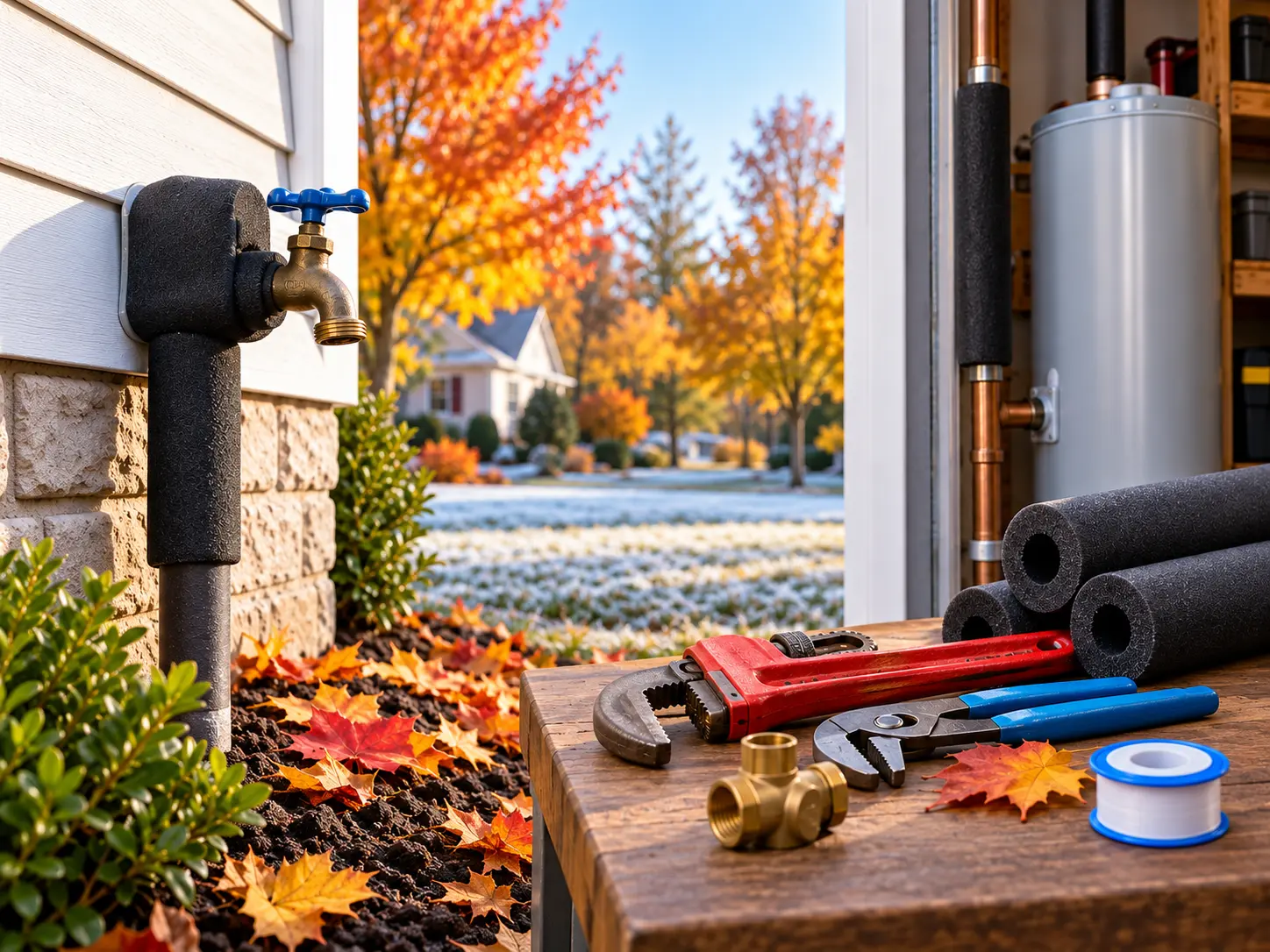
An insulating blanket on an older tank and foam sleeves on the accessible hot water pipes reduce heat loss, so the water stays hotter longer and the heater works less to keep up. This is inexpensive and also trims your heating bill through the winter.
Check the Pressure Relief Valve
The temperature and pressure relief valve is a safety device. Before a heavy-use stretch, it’s worth confirming it operates correctly. If you’re unsure how, our general plumbing team checks it as part of routine water heater service.
Smart Scheduling to Stretch Your Hot Water
Even a perfectly sized heater benefits from spacing out demand. Simple scheduling gets a crowd through the morning without anyone taking a cold shower:
- Space out showers: Put 20 to 30 minutes between showers so the tank has time to recover. Back-to-back is what drains it.
- Run the dishwasher and laundry off-peak: Save hot-water-heavy chores for late morning or midday, after the shower rush, not during it.
- Don’t run the dishwasher and showers at the same time: Both pull from the same tank. Separate them.
- Use efficient showerheads: A high-efficiency showerhead uses less hot water per minute, which stretches your tank across more people.
- Ask guests to keep showers reasonable: A gentle word goes a long way. Shorter showers mean more people get hot water.
When It’s Time to Upgrade
Sometimes preparation isn’t enough, and the honest answer is that your heater is undersized or worn out. Consider an upgrade if:
- You consistently run out of hot water even on normal days
- Your heater is more than 8 to 12 years old and showing problems
- Your household has grown, or you host large groups regularly
- You see rust, leaking, or persistent noise that a flush doesn’t fix
A few options are worth knowing about:
- A larger or higher-recovery tank: Moving up in First Hour Rating, not just gallons, is often the real fix. A high-recovery gas tank can deliver far more hot water per hour than a same-size electric one.
- A tankless water heater: Tankless units heat water on demand and never run out in the way a tank does, which is appealing for frequent hosting. One note for Bucks County: in cold weather, a tankless unit’s output drops because it has to heat colder incoming water, so proper sizing for our winters matters. A Master Plumber can size it correctly.
- A hybrid heat pump water heater: These are highly efficient and can lower energy bills, though sizing and placement need professional guidance.
The weeks before the holidays are the best time to replace a failing heater. Waiting until it quits on Thanksgiving morning means a cold house full of guests and an emergency call when plumbers are busiest.
Why Bucks County Homeowners Choose Rick Lucas Plumbing
Whether you need a pre-holiday flush, a quick capacity check, or a full replacement before guests arrive, you need a plumber who sizes the solution to your home and your winter, not a generic rule of thumb.
Rick Lucas Plumbing & Remodeling brings 35+ years of Master Plumber expertise to every water heater service and installation across Bucks County. Rick is your direct point of contact, with no dispatchers and no call centers. He’ll tell you honestly whether a flush and a tune-up will get you through the holidays or whether an upgrade is the smarter investment, and he’ll size any new unit for Pennsylvania winter inlet temperatures so it actually performs when it’s cold. See our full range of plumbing services for Bucks County homes.
Our customers count on that straight talk. One Bucks County homeowner shared: “Rick returned my call in less than an hour.” Another noted: “Showed up early and not a penny over estimate.” When your hot water is on the line with guests coming, fast and honest matters.
We serve Feasterville, Southampton, Richboro, Holland, Newtown, Warrington, Langhorne, Levittown, Yardley, Bensalem, Warminster, Ivyland, and all of Bucks County. Free consultations, transparent pricing, and 24/7 emergency availability. PA Master Plumbing License PA144291, BuildZoom Score 91/100.
Frequently Asked Questions
Why does my water heater run out of hot water with guests over?
A sudden jump in demand from back-to-back showers and extra chores drains your tank faster than it can reheat. The number that decides this is your First Hour Rating, which is how many gallons of hot water the unit delivers in one busy hour. Winter makes it worse, because colder incoming water means the heater works harder and delivers less usable hot water. Sediment buildup in an older tank reduces capacity further.
What is a First Hour Rating and where do I find it?
The First Hour Rating (FHR) is how many gallons of hot water your heater can deliver in the first hour of heavy use, starting from a full, hot tank. It combines stored capacity with how fast the unit reheats, so it predicts whether you will run out far better than tank size alone. You will find the FHR printed on the yellow EnergyGuide label on the side of the unit.
How can I get more hot water out of my existing tank?
Flush the tank to clear sediment, which restores usable capacity and recovery speed. Insulate the tank and hot water pipes to reduce heat loss. Carefully raise the temperature for a busy weekend (and return it to 120°F after). Then schedule demand: space showers 20 to 30 minutes apart and run the dishwasher and laundry off-peak rather than during the shower rush.
What temperature should my water heater be set to?
120°F is the recommended setting for most homes, balancing safety and energy savings. Raising it slightly can stretch your usable hot water for a busy weekend, but water hotter than 120°F increases the risk of scalding, which matters with children or elderly guests in the home. If you raise it for the holiday, turn it back to 120°F afterward.
How often should I flush my water heater?
Once a year is a good rule, and the weeks before the holidays are an ideal time. Flushing clears sediment and mineral buildup that collect at the bottom of the tank, take up space that should hold water, and slow recovery. In Bucks County homes with harder water, sediment builds faster, so annual flushing matters more. Rick Lucas Plumbing can handle it as a quick service call.
Should I get a tankless water heater for holiday hosting?
Tankless water heaters heat water on demand and do not run out the way a tank does, which appeals to frequent hosts. The one caution for Bucks County is winter: a tankless unit’s output drops in cold weather because it must heat colder incoming water, so it has to be sized for our winter temperatures to perform well. A Master Plumber can size it correctly for your home and hosting needs.
How long does a water heater last?
Most tank water heaters last 8 to 12 years. Check the manufacture date on the serial number label. If yours is past the decade mark and showing problems like rust, noise, or running out of hot water, the weeks before the holidays are the right time to plan a replacement rather than risk a failure with a full house.
Can I replace my water heater before Thanksgiving?
Yes, and if yours is failing, that is the smart move. Replacing it before the holiday means you are not scrambling for an emergency plumber on Thanksgiving morning with guests in the house, when plumbers are at their busiest. Rick Lucas Plumbing offers free consultations and can size a new unit for your household and Bucks County winters. Call (215) 396-0736.
Next Steps
A cold shower on a holiday morning is avoidable with a little preparation. Here’s your action plan:
- Find your water heater’s First Hour Rating on the EnergyGuide label and compare it to your busiest holiday hour of hot water use
- Check the age, listen for sediment noise, and look for rust or dampness at the base
- Flush the tank, insulate it, and keep the setting at a safe 120°F
- Space out showers and run hot-water chores off-peak during the holiday
- If your heater is undersized, old, or failing, call Rick Lucas Plumbing at (215) 396-0736 to flush, tune up, or replace it before guests arrive
Don’t let a cold shower surprise you with a houseful of guests. Contact Rick Lucas Plumbing & Remodeling today at (215) 396-0736 or visit ricklucasplumbing.com to get your water heater ready for the holidays, or for fast 24/7 service if it quits when you need it most. We serve Feasterville, Southampton, Warminster, Langhorne, and all of Bucks County with transparent pricing and holiday availability. “The Best Plumber in Bucks County!”
About the Author
Rick Lucas is the owner and Master Plumber at Rick Lucas Plumbing & Remodeling, a family-owned plumbing company serving Feasterville and all of Bucks County, PA. With over 35 years of hands-on plumbing experience and a Pennsylvania Master Plumbing License (PA144291), Rick specializes in residential plumbing, commercial plumbing, water heater repair and installation, tankless and hybrid systems, drain cleaning, bathroom remodeling, and emergency repairs. Rick is the main point of contact for every customer, ensuring expert service from diagnosis to completion.