The most important fall plumbing task for any Bucks County homeowner is disconnecting outdoor garden hoses and draining exterior faucets before the first hard freeze—a five-minute job that prevents the single most common cause of winter pipe bursts. Water left trapped in a hose or an outdoor spigot line freezes, expands, and cracks the pipe behind your wall, and you often won’t discover the damage until spring when you turn the water back on and it floods your basement.
Bucks County’s first hard freeze typically arrives in mid to late October, and it often catches homeowners off guard. One week you’re enjoying crisp fall weather; the next morning, temperatures have dropped below freezing overnight and the water in an unprotected pipe has turned to ice. A burst pipe can cause thousands of dollars in water damage—but nearly all of it is preventable with a few hours of preparation in the fall.
This fall plumbing prep checklist walks you through everything to do before the cold arrives, from the five-minute outdoor faucet task to the pipe insulation and water heater service that keep your system running efficiently all winter. In my 35+ years as a Master Plumber serving Feasterville, Southampton, Warminster, and all of Bucks County, I’ve seen how much heartache—and money—a little fall preparation saves. The homeowners who prep in October rarely call me in January.
What You’ll Learn
- Why Fall Prep Matters in Bucks County
- The Complete Fall Plumbing Checklist
- What Makes Bucks County Homes Especially Vulnerable
- When to Bring in a Professional
- Why Bucks County Homeowners Choose Rick Lucas Plumbing
- Frequently Asked Questions
- Next Steps
Why Fall Prep Matters in Bucks County
Fall is the window between comfortable weather and freezing temperatures—the ideal time to address plumbing vulnerabilities before they become emergencies. Waiting until winter means competing with every other homeowner for a plumber during the busiest, coldest weeks of the year, often while water is already actively damaging your home.
Here’s what makes fall preparation so important:
- Water expands about 9% when it freezes, generating enough pressure inside a pipe to crack copper, split fittings, and rupture supply lines
- The damage is often hidden, forming behind walls or in unheated spaces where you won’t see it until the ice thaws and water starts flowing
- Fall gives you time to fix problems calmly, rather than scrambling during an emergency when a pipe has already burst
- A professional inspection in fall catches hidden leaks, corrosion, and insulation gaps while there’s still time to address them affordably
The goal of fall prep is simple: get water out of the places it can freeze, insulate the pipes that stay full, and make sure the systems that protect your home—your water heater, sump pump, and shut-off valves—are all working before you need them.
The Complete Fall Plumbing Checklist
Work through these steps on a mild fall weekend, well before the first frost is forecast.
1. Disconnect and Drain Outdoor Hoses and Faucets
This is the single most important fall plumbing task, and the most commonly skipped. A garden hose left connected traps water in the pipe behind your outdoor spigot—even frost-free hose bibs fail when a hose blocks their drain-back design.
- Disconnect every garden hose, drain it completely, and store it indoors or in a protected space
- Turn off the interior shut-off valve that feeds each outdoor faucet (usually in the basement), then open the outdoor spigot to drain any remaining water
- If there’s a bleeder cap on the shut-off valve, open it briefly to let trapped water drain, then close it
- Install insulated faucet covers on exterior spigots for an extra layer of protection
2. Insulate Exposed and Vulnerable Pipes
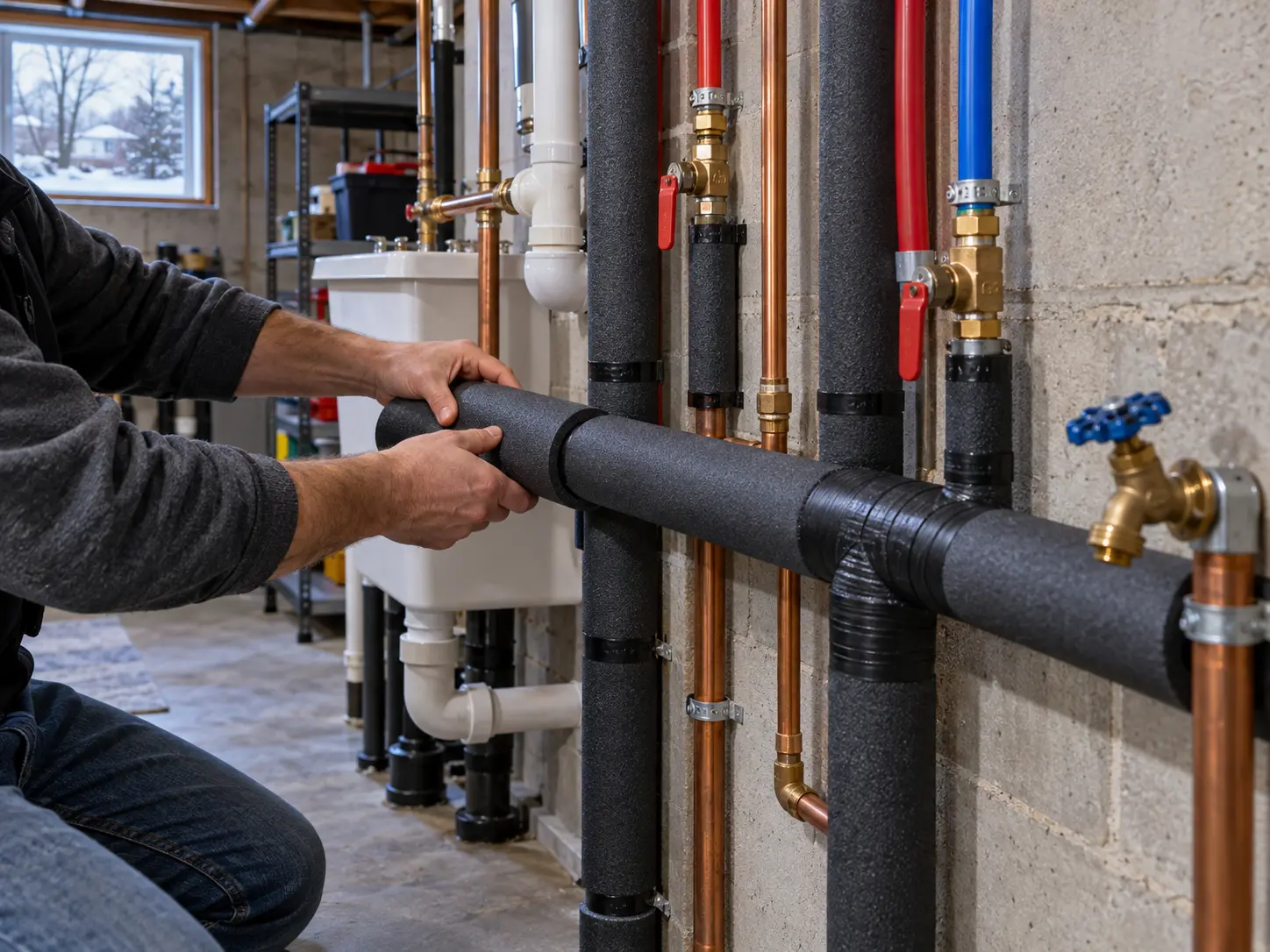
Pipes in unheated areas are the most likely to freeze. Walk through your basement, crawl space, garage, and any exterior-wall runs to identify vulnerable pipes.
- Wrap exposed pipes with foam insulation sleeves or pipe wrap—an inexpensive material available at any hardware store
- For pipes in especially cold, drafty locations, consider heat tape or heat cable for active freeze protection
- Pay special attention to older metal pipes—galvanized steel and copper common in Bucks County homes built before 1980 are more prone to freeze cracking
- Seal air leaks and drafts near pipes with caulk or foam, which also improves your home’s energy efficiency
3. Service Your Water Heater
Hot water demand rises sharply in cold weather, and your water heater works hardest during winter. Fall is the ideal time to service it before that demand peaks.
- Flush the tank to remove sediment buildup, which improves efficiency and extends the unit’s lifespan—sediment accumulates faster with colder incoming water
- Check the base of the unit for any signs of leaking, rust, or corrosion
- Test the pressure relief valve to confirm it operates correctly
- If your water heater is 8–12 years old and showing any problems, fall is the time to plan a replacement—not during a winter breakdown when you’re left without hot water
4. Test Your Sump Pump
Fall rains and winter thaws keep your sump pump working through the cold months. A failure during a storm means a flooded basement.
- Pour a five-gallon bucket of water into the sump pit and confirm the pump activates, clears the water, and shuts off cleanly
- Clear any debris from the sump pit and check that the discharge line is clear and directing water away from your foundation
- Confirm the discharge line isn’t positioned where it can freeze and back up—a common Bucks County problem
- Consider a battery backup system if you don’t have one, for protection during winter storm power outages
5. Clear Drains and Gutters
Fall brings leaves and debris that clog both indoor drains and outdoor drainage systems, setting up problems that worsen once temperatures drop.
- Clear leaves and debris from gutters and downspouts so fall rain and snowmelt drain away from your foundation instead of pooling against it
- Inspect and clear floor drains, laundry room drains, and any outdoor drainage systems
- Confirm the ground around your foundation still slopes away from the house
- Address any slow drains now—a partial clog becomes a bigger problem when cold weather thickens grease and slows water flow
6. Locate and Test Your Main Shut-Off Valve
If a pipe does burst this winter, your main shut-off valve is the only thing that stops the flooding. Make sure it works and that everyone in the household knows where it is.
- Locate the main shut-off valve where the water line enters your home
- Turn it off and back on to confirm it operates smoothly and seals fully
- If it’s stuck, corroded, or leaks when operated, have it replaced now—a failed shut-off valve during a burst-pipe emergency turns a manageable problem into a catastrophe
- Make sure every adult in the household knows its location and how to operate it
7. Address Any Existing Leaks or Drips
Small problems get worse in winter. A dripping faucet, a running toilet, or a minor leak that’s easy to ignore in warm weather becomes a freeze risk and a source of wasted water and money when temperatures drop.
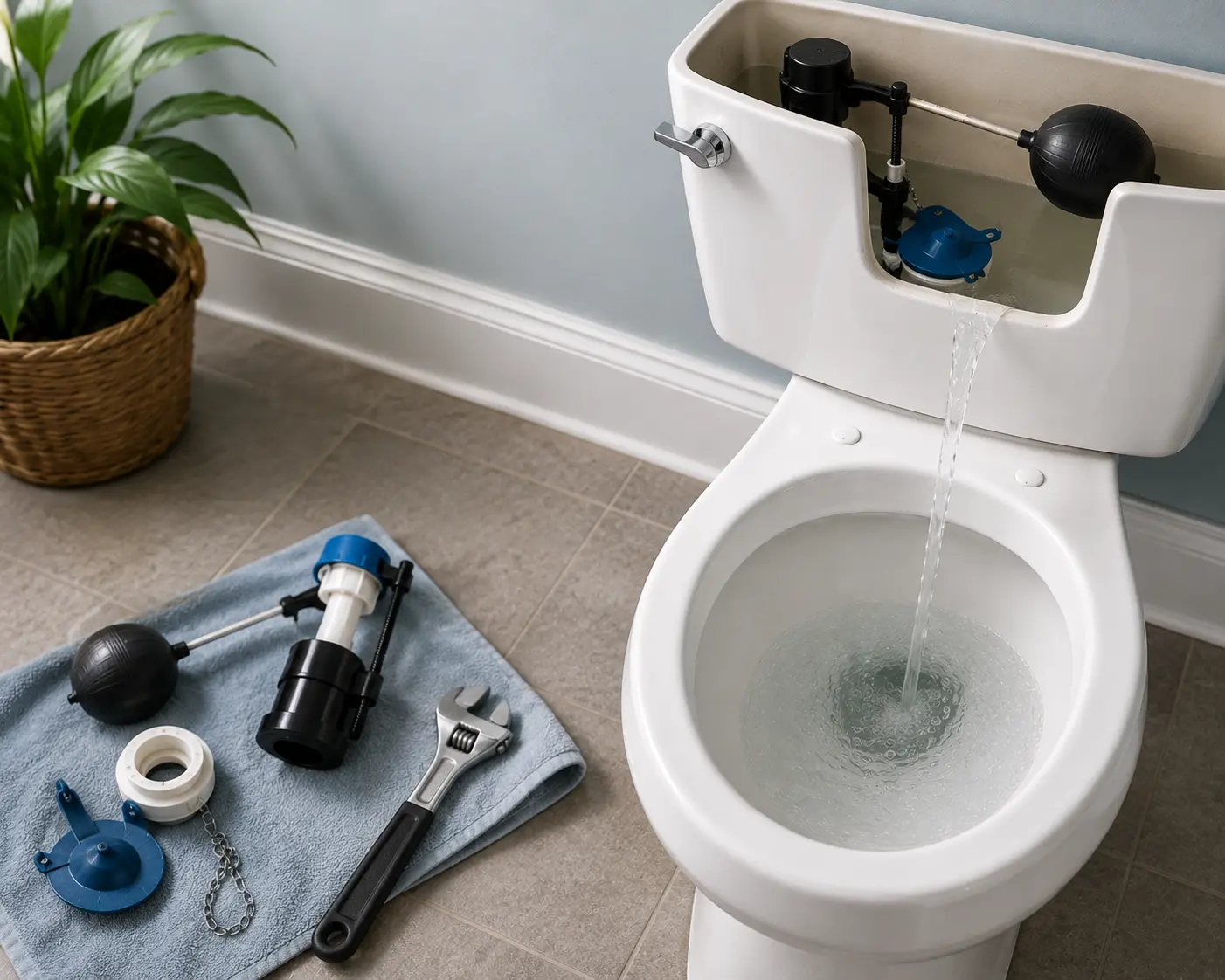
- Repair dripping faucets and running toilets before winter
- Check under sinks and around fixtures for any dampness or slow leaks
- Inspect visible pipes and joints for corrosion, mineral deposits, or early signs of failure
What Makes Bucks County Homes Especially Vulnerable
Bucks County’s specific climate and housing stock create freeze risks that generic advice doesn’t address:
- Aging pipe materials: Many homes in Feasterville, Levittown, Southampton, and Holland built between the 1940s and 1970s have galvanized steel or older copper pipes that are more brittle and freeze-prone than modern PEX.
- Unheated basements and crawl spaces: Older Bucks County homes often have partially finished or unheated basements where supply lines run along cold exterior walls.
- Attached garages and additions: Pipes running through attached garages and later additions frequently lack adequate insulation.
- Sharp temperature swings: Bucks County’s fall weather can drop from mild afternoons to hard overnight freezes with little warning, catching unprepared homeowners off guard.
These factors are exactly why local experience matters. A plumber who knows Bucks County homes knows where to look for the vulnerabilities specific to your neighborhood and the era your home was built.
When to Bring in a Professional
Much of this checklist is DIY-friendly. Call a licensed plumber for a fall inspection or service if:
- You have galvanized or aging pipes and want them assessed for freeze vulnerability before winter
- Your main shut-off valve is stuck, corroded, or leaks when operated
- Your water heater is due for a professional flush or is approaching the end of its lifespan
- You’ve found active leaks, corrosion, or dampness during your walkthrough
- You want hard-to-reach pipes in crawl spaces or exterior walls professionally insulated
- You’re unsure whether your outdoor faucets are frost-free or whether your winterization is complete
A professional fall inspection catches the hidden vulnerabilities—hairline cracks, insulation gaps, corroded fittings—that are difficult to spot in an everyday walkthrough. Scheduling one in fall is a cost-effective way to avoid a far more expensive winter emergency.
Why Bucks County Homeowners Choose Rick Lucas Plumbing
Fall plumbing prep is about preventing the winter emergencies that damage homes and drain wallets. The right preparation depends on understanding how Bucks County winters affect local homes—the aging pipe materials, the unheated spaces, and the freeze-thaw swings that generic checklists overlook.
Rick Lucas Plumbing & Remodeling brings 35+ years of Master Plumber expertise to every fall inspection and winterization service. Rick is your direct point of contact from the first phone call through job completion. No dispatchers, no call centers—just a licensed Master Plumber who has protected Bucks County homes through more than three decades of Pennsylvania winters.
Our customers rely on that experience. One Bucks County homeowner shared: “Rick did a great job replacing all of my domestic water copper piping with PEX tubing.” Another noted: “Showed up early and not a penny over estimate.” When winter is coming, you want a plumber who prepares your home right the first time.
We serve Feasterville, Southampton, Richboro, Holland, Newtown, Warrington, Langhorne, Levittown, Yardley, Bensalem, Warminster, Ivyland, and all of Bucks County. Free consultations, transparent pricing, and 24/7 emergency availability. PA Master Plumbing License PA144291, BuildZoom Score 91/100.
Frequently Asked Questions
Q: When does the first freeze usually hit Bucks County?
Bucks County’s first hard freeze typically arrives in mid to late October, though an early cold snap can occur sooner. Because the timing varies year to year and temperatures can drop suddenly overnight, it’s best to complete your fall plumbing prep by early October rather than waiting for a freeze in the forecast.
Q: What is the most important fall plumbing task?
Disconnecting and draining outdoor garden hoses and faucets is the single most important fall plumbing task. Water trapped in a connected hose or an undrained spigot line freezes, expands, and can crack the pipe behind your wall—the most common cause of winter pipe bursts. This five-minute job prevents thousands of dollars in potential damage.
Q: How do I keep my pipes from freezing in winter?
Disconnect outdoor hoses and drain exterior faucets, insulate exposed pipes in unheated areas with foam sleeves or heat tape, seal drafts near pipes, and keep your home heated to at least 55°F even when away. During extreme cold snaps, letting a faucet drip slightly and opening cabinet doors under sinks on exterior walls provides added protection.
Q: Should I flush my water heater in the fall?
Yes. Fall is the ideal time to flush your water heater because hot water demand rises in cold weather and your unit works hardest during winter. Flushing removes sediment buildup that accumulates faster with colder incoming water, improves efficiency, and extends the unit’s lifespan. If your heater is 8–12 years old, fall is also the time to plan a replacement before a winter breakdown.
Q: Do I need to insulate pipes in a heated basement?
Pipes in a fully heated basement are generally safe, but pay attention to any pipes running along exterior walls, near foundation vents, or through unheated sections. Even in a mostly heated basement, a pipe in a cold, drafty corner can freeze. Insulating these vulnerable runs is inexpensive and provides cheap insurance against a costly burst.
Q: What should I do if a pipe freezes despite my preparation?
If you turn on a faucet and only a trickle comes out, you likely have a frozen pipe. Keep the faucet open, apply gentle heat to the frozen section with a hair dryer or space heater (never an open flame), and work from the faucet end toward the frozen area. If you can’t locate or thaw it, or if a pipe has already burst, shut off your main water valve and call Rick Lucas Plumbing at (215) 396-0736 immediately.
Q: How much does a fall plumbing inspection cost in Bucks County?
Rick Lucas Plumbing offers free consultations and transparent estimates. A fall plumbing inspection typically covers your pipes, water heater, sump pump, shut-off valves, and outdoor plumbing. The cost is a fraction of what a single burst pipe repair and water damage restoration would run, making it one of the most cost-effective preventive investments a homeowner can make.
Q: Is it too late to winterize my plumbing if it’s already cold?
It’s never too late to take protective steps, but the sooner the better. If a freeze is imminent, prioritize disconnecting outdoor hoses, draining exterior faucets, and insulating your most exposed pipes. If temperatures have already dropped hard and you’re worried about vulnerable pipes, call a plumber right away rather than waiting for a problem to develop.
Next Steps
A few hours of fall preparation prevents the most common and most expensive winter plumbing emergencies. Here’s your action plan:
- Disconnect and drain all outdoor hoses and faucets first—this is the highest-priority task
- Insulate exposed pipes in basements, crawl spaces, garages, and along exterior walls
- Service your water heater and test your sump pump before winter demand peaks
- Clear gutters and drains, and locate and test your main shut-off valve
- For a professional fall inspection or to address aging pipes and valves before the freeze, call Rick Lucas Plumbing at (215) 396-0736
Don’t wait for the first freeze to find out your plumbing wasn’t ready. Contact Rick Lucas Plumbing & Remodeling today at (215) 396-0736 or visit ricklucasplumbing.com to schedule your fall plumbing inspection. We serve Feasterville, Southampton, Warminster, Langhorne, and all of Bucks County with 24/7 emergency availability and transparent pricing. “The Best Plumber in Bucks County!”