Winter Storm Plumbing Emergencies: What Bucks County Homeowners Should Know
You wake up during a winter storm to find no water coming from your faucets. Or worse—water is gushing from a burst pipe in your basement. For Bucks County homeowners, winter storm plumbing emergencies are among the most stressful and costly disasters you can face.
Every year, freezing temperatures cause thousands of dollars in damage to homes throughout Feasterville, Southampton, Newtown, and surrounding communities. The frustrating part? Most of these emergencies are preventable when you understand what causes them.
This guide explains exactly why winter storms wreak havoc on your plumbing, how to identify problems before they become disasters, and what to do when an emergency strikes. With 35+ years of experience serving Bucks County homeowners, Rick Lucas Plumbing has helped countless families navigate these exact situations—and we’ll share everything we’ve learned.
What You’ll Learn
- What Are Winter Storm Plumbing Emergencies?
- The Real Causes Behind Winter Plumbing Failures
- How to Identify Plumbing Problems During Winter Storms
- Solutions for Bucks County Homeowners
- Why Bucks County Homeowners Choose Rick Lucas Plumbing
- Frequently Asked Questions
- Next Steps
What Are Winter Storm Plumbing Emergencies?
Winter storm plumbing emergencies occur when freezing temperatures, ice, snow, or power outages cause sudden failures in your home’s water supply, drain lines, or water heating systems. These emergencies demand immediate attention because the damage compounds quickly—a small frozen section of pipe can become a catastrophic flood within hours.
The most common winter plumbing emergencies Bucks County homeowners experience include frozen water supply lines that stop water flow completely, burst pipes that flood basements, crawl spaces, or living areas, failed water heaters struggling against the cold, frozen or blocked sewer lines preventing drainage, and damaged outdoor plumbing including hose bibs and irrigation systems.
These emergencies typically strike at the worst possible times—overnight when temperatures plummet, during extended cold snaps, or when you’re away from home and unable to catch problems early. Homes in Warminster, Langhorne, Richboro, and throughout Bucks County face these risks every winter, particularly older homes with plumbing in vulnerable locations.
The consequences of ignoring early warning signs can be severe: water damage to floors, walls, and foundations; mold growth; destroyed personal belongings; and repair costs that quickly reach into the thousands.
The Real Causes Behind Winter Plumbing Failures
Understanding why winter storms damage plumbing helps you protect your home and recognize problems early. In our 35+ years serving Bucks County, we’ve seen these causes repeatedly.
The Physics of Freezing Water
Water is one of the few substances that expands when it freezes—by approximately 9%. When water inside a pipe freezes, this expansion creates enormous pressure against the pipe walls. The pressure doesn’t just occur at the ice blockage; it builds throughout the entire section of pipe between the blockage and your closed faucet. This pressure—not the ice itself—is what causes pipes to burst. A pipe can withstand the initial freeze but fail hours later when pressure finally exceeds what the material can handle.
Vulnerable Pipe Locations
Certain areas of Bucks County homes are particularly susceptible to freezing. Pipes running through unheated spaces like attics, garages, basements, and crawl spaces lack the warmth needed to prevent freezing. Exterior walls, especially on north-facing sides of homes in Holland, Yardley, and Bensalem, expose pipes to the coldest temperatures. Many mid-century homes throughout Feasterville and Southampton have pipes routed through exterior walls—a building practice that created ongoing winter vulnerabilities.
Bucks County’s Older Housing Stock
Many homes in Bucks County were built before modern insulation standards. Houses constructed in the 1950s through 1970s in communities like Levittown, Warrington, and Ivyland often have inadequate insulation around plumbing. Some still contain original galvanized steel pipes that are more prone to corrosion and failure under stress. These older systems simply weren’t designed for the temperature extremes we now experience during severe winter storms.
Power Outages and Heating Failures
Extended power outages during winter storms eliminate your home’s primary defense against frozen pipes: heat. When furnaces stop running, interior temperatures can drop below freezing within hours, especially in poorly insulated homes. We’ve responded to emergency calls throughout Buckingham, Furlong, and Newtown where homeowners lost power overnight and woke to multiple burst pipes.
Thermostat Mistakes
Well-meaning homeowners sometimes lower their thermostats significantly when leaving for winter vacations or to save on heating costs during storms. Dropping indoor temperatures below 55°F dramatically increases freezing risk, particularly for pipes in exterior walls or unheated spaces that rely on ambient home heat for protection.
How to Identify Plumbing Problems During Winter Storms
Catching problems early can mean the difference between a minor inconvenience and a major disaster. Here’s what to watch for during cold weather.
Warning Signs of Frozen Pipes
Reduced water pressure or no water flow from faucets indicates ice blockage forming in your supply lines. Frost visible on exposed pipes in basements or crawl spaces signals dangerously cold conditions. Unusual sounds—banging, clanking, or gurgling when you turn on water—suggest ice is partially blocking flow. Strange odors from drains may indicate a frozen sewer line, as waste gases can’t escape properly.
When to Act Immediately
If you discover water spraying, pooling, or dripping where it shouldn’t be, shut off your main water valve immediately and call for emergency service. Water stains appearing on ceilings or walls during cold weather often indicate a burst pipe in an attic or wall cavity. A complete loss of water during freezing temperatures requires prompt professional assessment to prevent a partial freeze from becoming a burst pipe.
Self-Assessment Steps
Check all faucets throughout your home—both hot and cold lines. Open cabinet doors under sinks on exterior walls to allow warm air circulation. Visually inspect any exposed pipes in your basement, garage, or crawl space for frost or ice. Feel pipes with your hand; extremely cold pipes are at risk even if water still flows.
Solutions for Bucks County Homeowners
Whether you’re trying to prevent an emergency or responding to one in progress, here are your options.
Immediate DIY Steps When Pipes Freeze
If you suspect a frozen pipe but it hasn’t burst yet, keep the affected faucet open—this relieves pressure and allows water to flow once thawed. Apply gentle heat to the frozen section using a hair dryer, heating pad, or towels soaked in warm water. Never use open flames, propane heaters, or blowtorches, as these create fire hazards and can damage pipes. Work from the faucet toward the frozen area to allow water and steam to escape safely.
Important: If you cannot locate the frozen section, if the pipe has already burst, or if you’re uncomfortable performing these steps, call a professional immediately. Improper thawing can cause pipes to burst or create electrical hazards.
Prevention Strategies
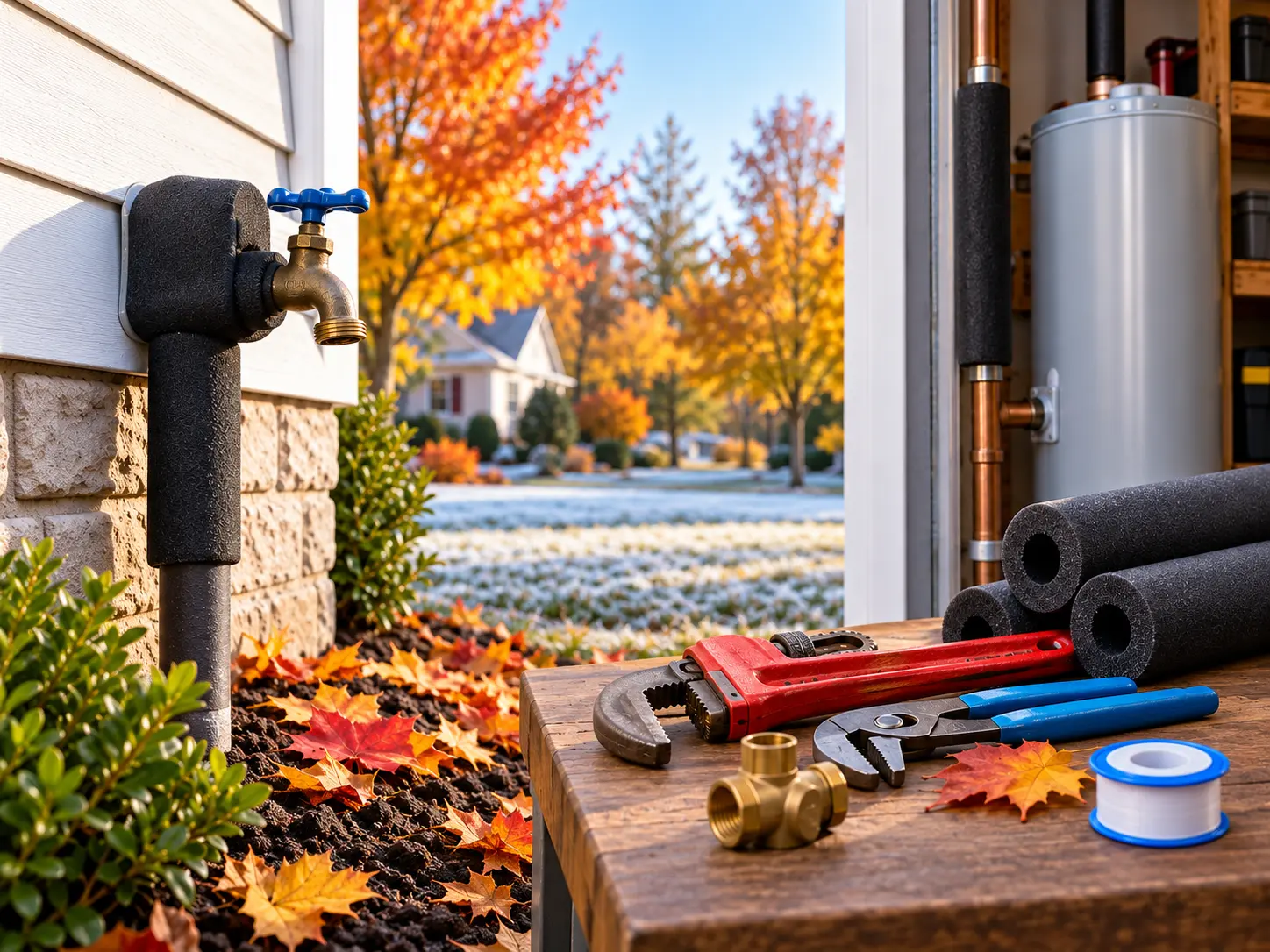
Before temperatures drop, disconnect and drain outdoor hoses and close interior shut-off valves for outdoor spigots. Insulate exposed pipes in attics, basements, and crawl spaces using foam pipe insulation. Seal air leaks around pipes where they enter your home through exterior walls. During extreme cold, let faucets drip slightly to keep water moving through vulnerable pipes. Never set your thermostat below 55°F, even when away from home.
Professional Emergency Response
When a pipe bursts or you face a plumbing emergency during a winter storm, professional help provides several critical advantages. A Master Plumber can quickly locate all affected areas—often there’s more damage than initially visible. We have commercial-grade equipment to extract water, dry affected areas, and make repairs that prevent future failures. Professional repairs ensure your plumbing meets Pennsylvania codes and won’t fail again during the same winter.
Rick Lucas Plumbing offers 24/7 emergency service with typical response times of 60 minutes throughout Bucks County. When you’re standing in water at 2 AM during a blizzard, you need someone who answers the phone and shows up—not a dispatcher who can’t help until next week.
Long-Term Solutions
For homes with recurring winter plumbing problems, consider permanent improvements. Rerouting vulnerable pipes away from exterior walls eliminates the root cause. Upgrading to PEX piping provides better freeze resistance than rigid copper or galvanized steel. Adding insulation to attics, crawl spaces, and exterior walls protects plumbing while reducing heating costs.
Why Bucks County Homeowners Choose Rick Lucas Plumbing
When winter emergencies strike, Bucks County families need a plumber who understands local conditions, responds quickly, and fixes problems right the first time.
Rick Lucas brings 35+ years of hands-on experience specifically serving this community. As a Master Plumber, Rick holds Pennsylvania’s highest plumbing credential—expertise that matters when diagnosing complex problems in older Bucks County homes. He’s worked on properties throughout Feasterville-Trevose, Warminster, Washington Crossing, Wrightstown, and everywhere in between.
Unlike large companies where you talk to dispatchers who’ve never touched a pipe, Rick is your direct point of contact. When a Richboro homeowner called during last winter’s cold snap, Rick returned the call within an hour and had the job completed by afternoon. That’s the level of service our customers consistently mention in reviews.
As one customer put it: “Rick showed up early and not a penny over estimate. Very meticulous and left the place cleaner than he found it.”
We provide free consultations with transparent pricing—no surprise charges when the job is done. Every repair is performed to code, passing required inspections because we believe in doing things right.
Frequently Asked Questions
How much does emergency pipe repair cost during a winter storm in Bucks County?
Emergency pipe repair costs vary based on the extent of damage, pipe location, and accessibility. A single burst pipe repair typically ranges from several hundred to over a thousand dollars, while extensive damage involving multiple pipes or water mitigation costs more. Rick Lucas Plumbing provides upfront pricing before any work begins, so you’ll never face surprise charges. Call (215) 396-0736 for a free assessment.
Can I thaw frozen pipes myself, or should I call a plumber?
You can safely thaw accessible frozen pipes using gentle heat sources like hair dryers or warm towels, working from the faucet toward the frozen section. However, call a professional if you cannot locate the frozen area, if the pipe is inside a wall or ceiling, if there’s any sign of cracking or bulging, or if you’re uncomfortable with the process. Improper thawing causes many preventable burst pipes.
How quickly can a plumber respond during a winter storm emergency?
Rick Lucas Plumbing offers 24/7 emergency service with typical response times of approximately 60 minutes throughout Bucks County, even during storms. Unlike companies that route calls through dispatchers, you’ll speak directly with Rick to assess your situation and get help on the way immediately. Call (215) 396-0736 for emergency service.
What temperature causes pipes to freeze in Pennsylvania homes?
Pipes become vulnerable when outside temperatures drop below 20°F, though poorly insulated pipes in exterior walls or unheated spaces can freeze at higher temperatures. The critical factor is how cold the air surrounding the pipe gets, not just outdoor temperature. Pipes in attics, crawl spaces, and garages often freeze before other areas of your home.
Should I shut off my water if I suspect frozen pipes?
If pipes are frozen but haven’t burst, leave the water on and open the affected faucet to relieve pressure. However, if you discover any active leak, burst pipe, or water where it shouldn’t be, shut off your main water valve immediately and call for emergency service. Knowing your main shut-off valve location before an emergency strikes is essential for every homeowner.
How do I prevent frozen pipes when leaving my Bucks County home for winter vacation?
Never set your thermostat below 55°F while away. Ask a trusted neighbor to check your home daily during extreme cold. Open cabinet doors under sinks on exterior walls to allow warm air circulation. For extended absences during severe weather, consider having your plumber drain the water system entirely. These steps protect against the costly damage we frequently see after homeowners return from winter trips.
What’s the difference between a frozen pipe and a burst pipe?
A frozen pipe contains ice blockage that stops water flow but hasn’t failed yet. A burst pipe has cracked or split due to pressure buildup, causing water to escape once thawed. Frozen pipes are emergencies because they can burst at any time—the pressure builds continuously until the pipe fails or the ice melts. Both require immediate attention, but burst pipes cause active water damage.
Does homeowners insurance cover burst pipe damage in winter?
Most homeowners insurance policies cover sudden water damage from burst pipes, including repair costs and resulting property damage. However, coverage typically requires that you maintained adequate heat in your home. Damage resulting from negligence—like leaving a home unheated during freezing weather—may not be covered. Contact your insurance provider for specific policy details.
Next Steps
Winter storm plumbing emergencies can happen to any Bucks County home, but understanding the causes helps you prevent them—and knowing what to do when they strike minimizes damage.
Key Takeaways:
- Frozen pipes burst due to pressure buildup, not the ice itself
- Pipes in unheated spaces and exterior walls are most vulnerable
- Early warning signs include reduced water pressure and frost on pipes
- Never use open flames to thaw pipes, and know when to call for help
If you’re dealing with a plumbing emergency right now, call Rick Lucas Plumbing at (215) 396-0736—we offer 24/7 emergency service with typical 60-minute response times throughout Bucks County.
For non-emergencies, we provide free consultations to assess your home’s winter vulnerabilities and recommend prevention strategies. Visit ricklucasplumbing.com or call to schedule your assessment before the next storm hits.